
Research
- Regulation
- Standards
- Methodologies
- Markets
- Projects
Research complex decarbonization questions. Get evidence behind every answer.
Ask about carbon markets, regulation, standards, methodologies, projects, reporting, and climate policy. CarbonAI combines specialist AI, proprietary intelligence, and traceable sources in one research workflow.
Which carbon credit methodologies are eligible under CORSIA, and what restrictions apply?
There is no single ICAO-wide list of eligible methodologies. ICAO approves emissions unit programs 1 and sets a scope of eligibility for each 2. That scope can restrict methodologies 3, unit types, and activities, alongside eligible unit dates and the compliance period.
From question to evidence.
CarbonAI plans the research, checks the relevant sources, and shows the evidence behind each conclusion. Choose a question to see how the research develops.
Which credits qualify under the current CORSIA rules, and what restrictions apply?
- 1Identify the ICAO-approved emissions unit programs
- 2Check each program’s scope of eligibility
- 3Confirm vintage and compliance-period conditions
- ICAO documentationEligible emissions units
- Registry program rulesProgram scope and exclusions
- Methodology requirementsStatus within each program
- CarbonAI market intelligenceEligible supply and pricing
There is no single ICAO-wide list of eligible methodologies. ICAO approves emissions unit programs and defines a program-specific scope of eligibility, which can restrict methodologies, unit types, and activities. Eligible unit dates and the applicable compliance period also matter.
- CORSIA Eligible Emissions Unitsicao.int
- ICAO approves VCS Program for CORSIA eligibilityverra.org
How do ESRS and ISSB differ for climate disclosure?
- 1Review the applicable ESRS climate standard and IFRS S2
- 2Compare materiality, scope, metrics, and reporting requirements
- 3Check applicable jurisdictional and assurance requirements
- EFRAG2026 Revised ESRS E1 Climate Change
- IFRS FoundationIFRS S2 Climate-related Disclosures
- Regulatory guidanceAdoption and application by jurisdiction
ESRS applies double materiality, covering both the company’s impacts on people and the environment and sustainability matters that affect the company. IFRS S2 is investor focused and requires disclosure of climate-related risks and opportunities that could reasonably affect the company’s prospects. CarbonAI compares the applicable scope, metrics, and reporting requirements side by side.
- 2026 Revised ESRS E1 Climate Changeefrag.org
- IFRS S2 Climate-related Disclosuresifrs.org
How should two carbon methodologies be compared across baseline, monitoring, and permanence requirements?
- 1Find both methodology documents
- 2Extract baseline, monitoring, and permanence provisions
- 3Compare them point by point
- Methodology documentsBaseline, monitoring, and permanence sections
- Registry program rulesVerification and applicability requirements
- Project documentationHow each methodology is applied in practice
- CarbonAI ratingsRelevant feature-level assessments
CarbonAI compares the baseline approach, monitoring requirements, permanence provisions, and applicability conditions in each methodology, with each conclusion linked to the relevant source section.
- Methodology documentsRegistry publications
- CarbonAI ratingsFeature-level assessment
What integrity concerns have been raised about this project?
- 1Find the registry record and project documents
- 2Search attributed public reporting about the project
- 3Separate documented findings, allegations, and areas for further investigation
- Registry documentationRegistration, validation, and verification records
- Project documentsMonitoring and project documentation
- Attributed public reportingDated external reporting
- CarbonAI ratingsFeature-level integrity assessment
CarbonAI separates information in registry and project documents from attributed public allegations and areas that may require further investigation, then places those findings alongside the project’s CarbonAI ratings.
- Registry documentationValidation and verification
- CarbonAI ratingsFeature-level assessment
Research across the decarbonization landscape.
Connect questions that span separate standards, markets, documents, and datasets.
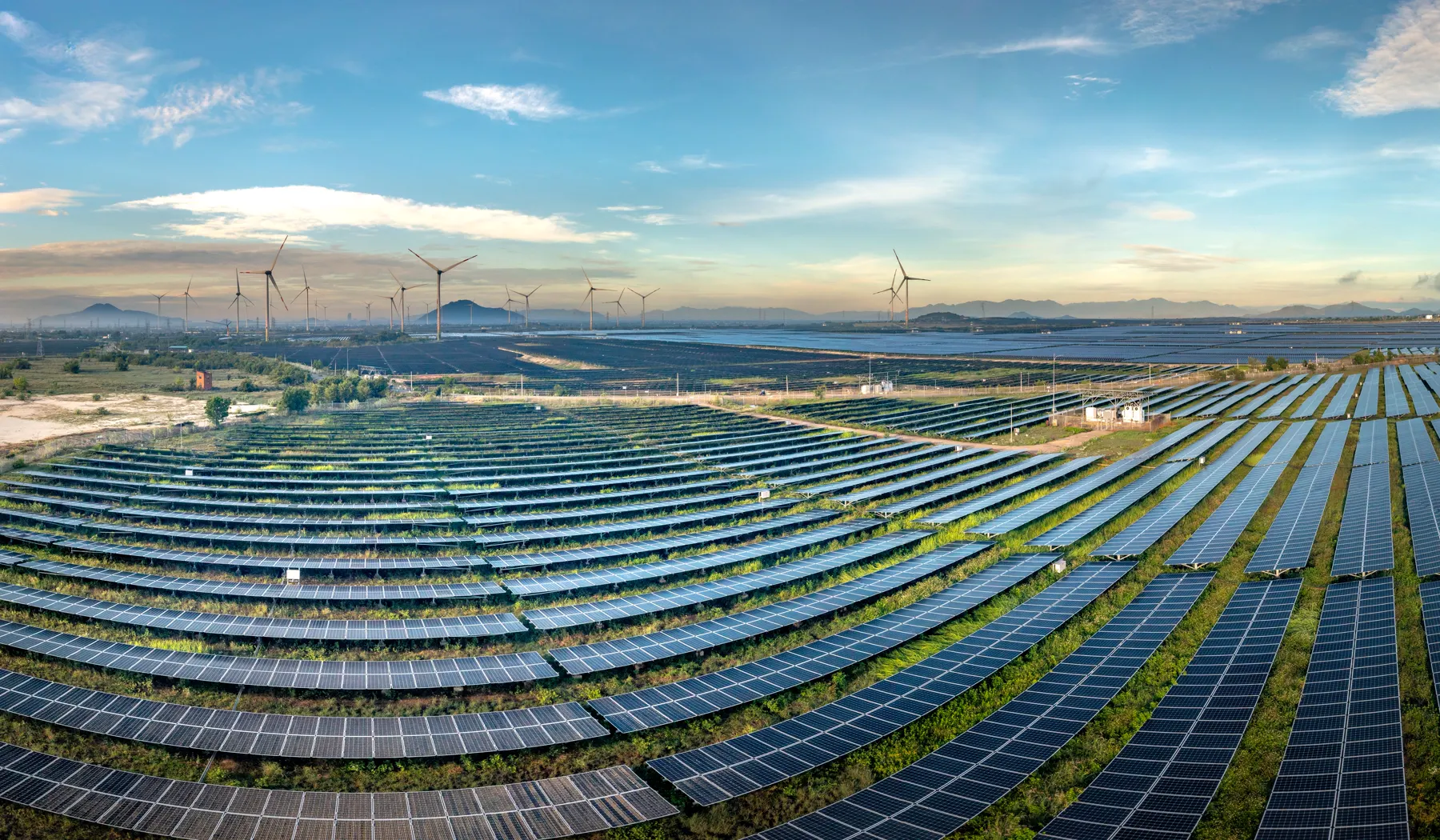
Regulation and policy
ICAO and CORSIA, Article 6, EU and UK regulation, and national climate policy in one view.
How CORSIA eligibility works, with the ICAO and program documents behind it.Standards and methodologies
Reporting standards, integrity frameworks, methodologies, and verification requirements.
ESRS and ISSB climate disclosure, compared side by side.Projects and markets
Project records, integrity, pricing, issuance, retirements, and market activity.
VM0050 cookstove peers by rating, monitoring, and priced vintages.Company and country context
Corporate disclosures and transition plans alongside country, SDG, governance, and development data.
A country profile of development need, SDG gaps, and governance.
Research your own documents with CarbonAI intelligence.
Upload project documents, policies, reports, or due diligence documents and analyze them alongside CarbonAI’s research, ratings, and proprietary data.
- Your data stays private.
- Your conversations and uploads are never used to train models.
- Uploaded files are deleted after 48 hours.
Compare the monitoring gaps in this report with the registry documentation.
Two monitoring periods referenced in the uploaded report do not appear to have corresponding verification documents in the registry listing. These periods may require further review or additional evidence.
Uploaded documentExternal registry evidence
Built for research that crosses teams.
Sustainability and climate teams
Research standards, policies, markets, and emerging requirements.
Carbon market teams
Investigate projects, methodologies, eligibility, and market context.
Legal, compliance, and reporting teams
Find the evidence behind claims, disclosures, and regulatory interpretations.
Ask your next decarbonization question.
See how CarbonAI brings specialist AI research, proprietary intelligence, and traceable evidence together in one workflow.